



Steel, stainless steel or plastic sinks: the main differences
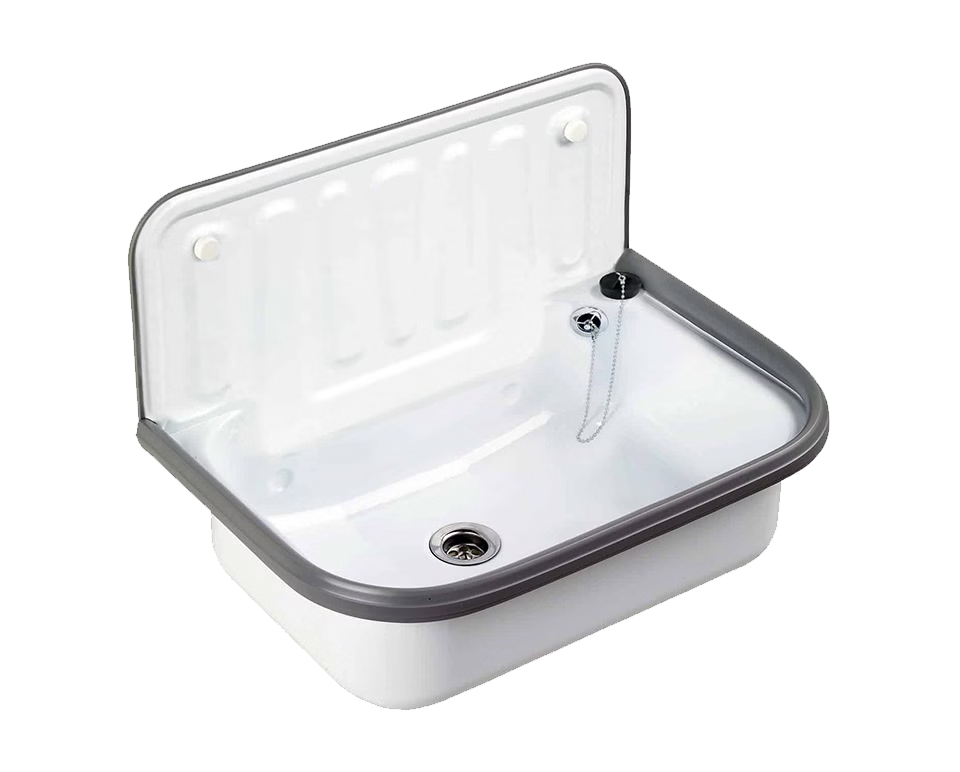
Sinks are not a glamorous subject, but a wrong choice of material quickly becomes apparent in everyday life. Enameled steel, stainless steel and plastic differ considerably in terms of price, durability, maintenance requirements and suitability for use. This article compares the three materials and shows which pool is really suitable for which situation.
Enameled steel: the workhorse among the sinks
Enameled steel combines a robust body with a smooth, easy-to-clean surface. The enamel layer is chemically resistant to many standard cleaning agents and protects the steel permanently against corrosion as long as the surface remains undamaged. Scratches and chipping caused by hard knocks can locally cancel out the protective effect, which can become a problem in the long term in high-traffic environments.
Enameled steel is an inexpensive and permanently reliable choice for cellar facilities, utility rooms and craft use without heavy impact loads. S.I.T. Sanitärtechnik offers enameled sinks in various designs. Details can be found in the product overview of sinks.
Stainless steel: hygiene, durability and professional use
Stainless steel is the standard material in professional environments when hygiene and mechanical strength are required at the same time. The surface is seamless, does not absorb germs and can be treated with disinfectants without causing permanent damage. Scratches change the appearance, but do not affect the hygiene properties.
In the care sector, the cleaning industry, nurseries and schools, stainless steel is a must for good reason. Stainless steel is also the more sustainable investment for private households where the sink is used intensively on a daily basis. Higher purchase costs are offset by the significantly longer service life and lower maintenance requirements.
Plastic: the lightweight and affordable entry-level solution
Plastic sinks are lightweight, inexpensive and quick to install. They are suitable where the load is low and continuous use is not planned. Their weakness lies in their sensitivity to scratches and their limited resistance to strong chemicals. Concentrated solvents, strong alkaline cleaners or acids can attack and permanently damage the surface.
For simple applications without special hygiene requirements and without intensive use, plastic basins are a practical interim solution. If you work regularly or have to comply with high hygiene standards, you should opt for enameled or stainless steel basins.
Cleaning and care at a glance
Stainless steel performs best when it comes to daily cleaning: no pores, no cracks, easy to disinfect. Enamel is also easy to clean as long as the surface is intact. Plastic tends to discolor over time and is more difficult to restore to its original condition once limescale and dirt have settled in micro-scratches.
Conclusion: choose the right steel, stainless steel or plastic sink
The right choice of material for a sink depends on the intensity of use, hygiene requirements and budget. Stainless steel is ideal for heavy-duty use and hygiene requirements. Enameled steel is the solid standard solution for household and trade applications. Plastic is suitable for simple, rarely used areas of application. S.I.T. Sanitärtechnik offers all three variants in different sizes and designs. Please contact us if you have specific questions about the selection.

